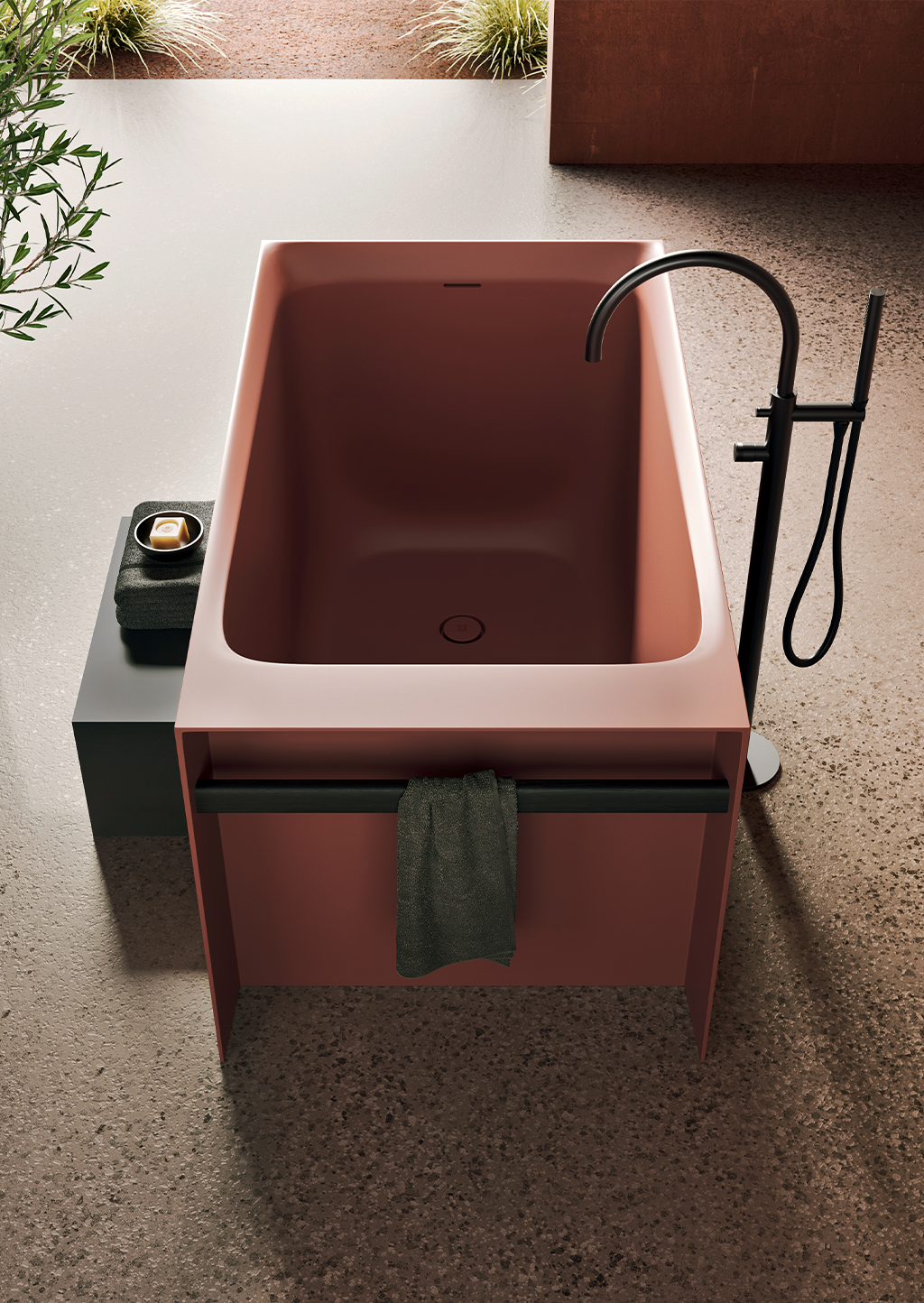
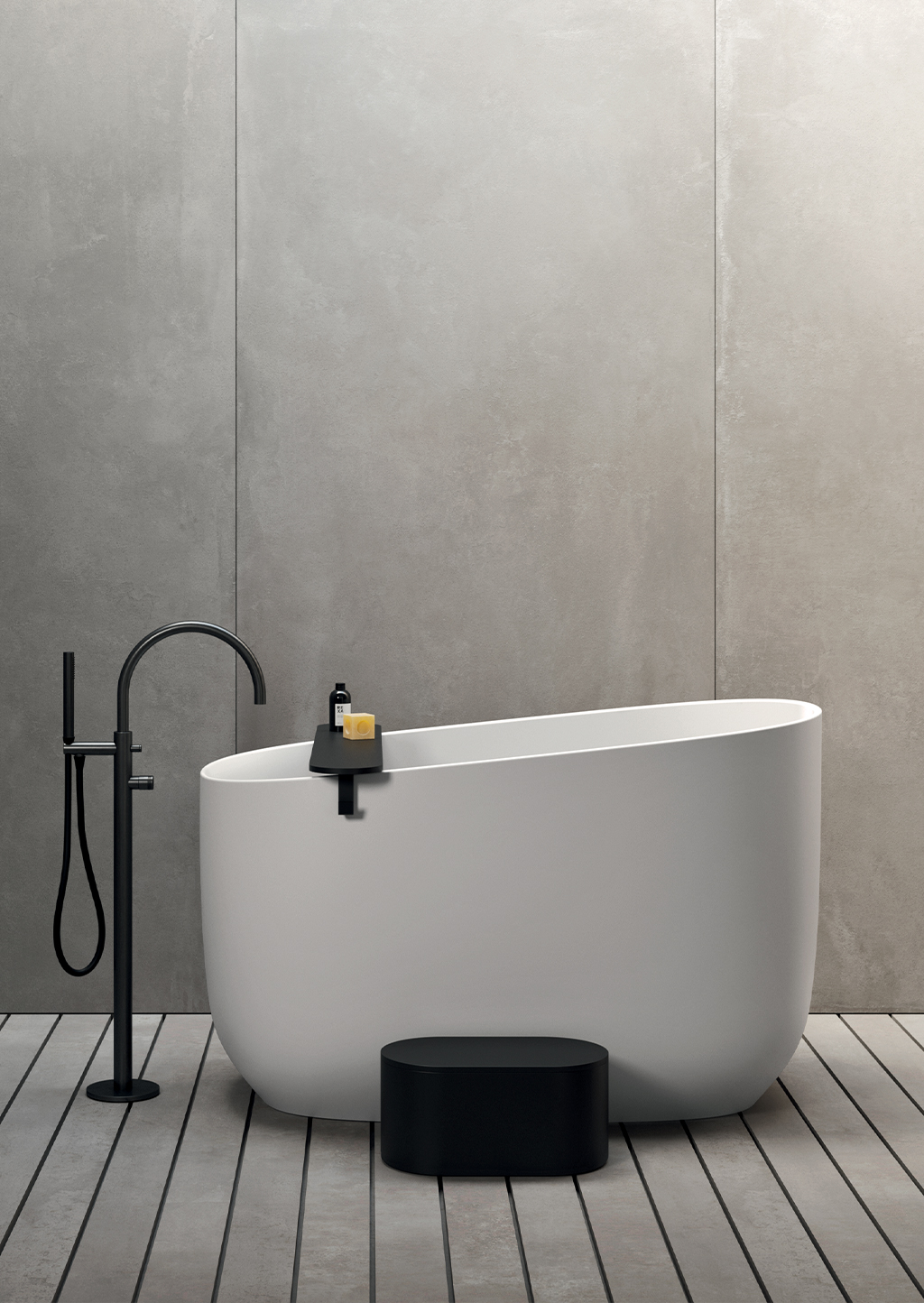
Interview with Monica Graffeo: how immersion rituals inspire contemporary design
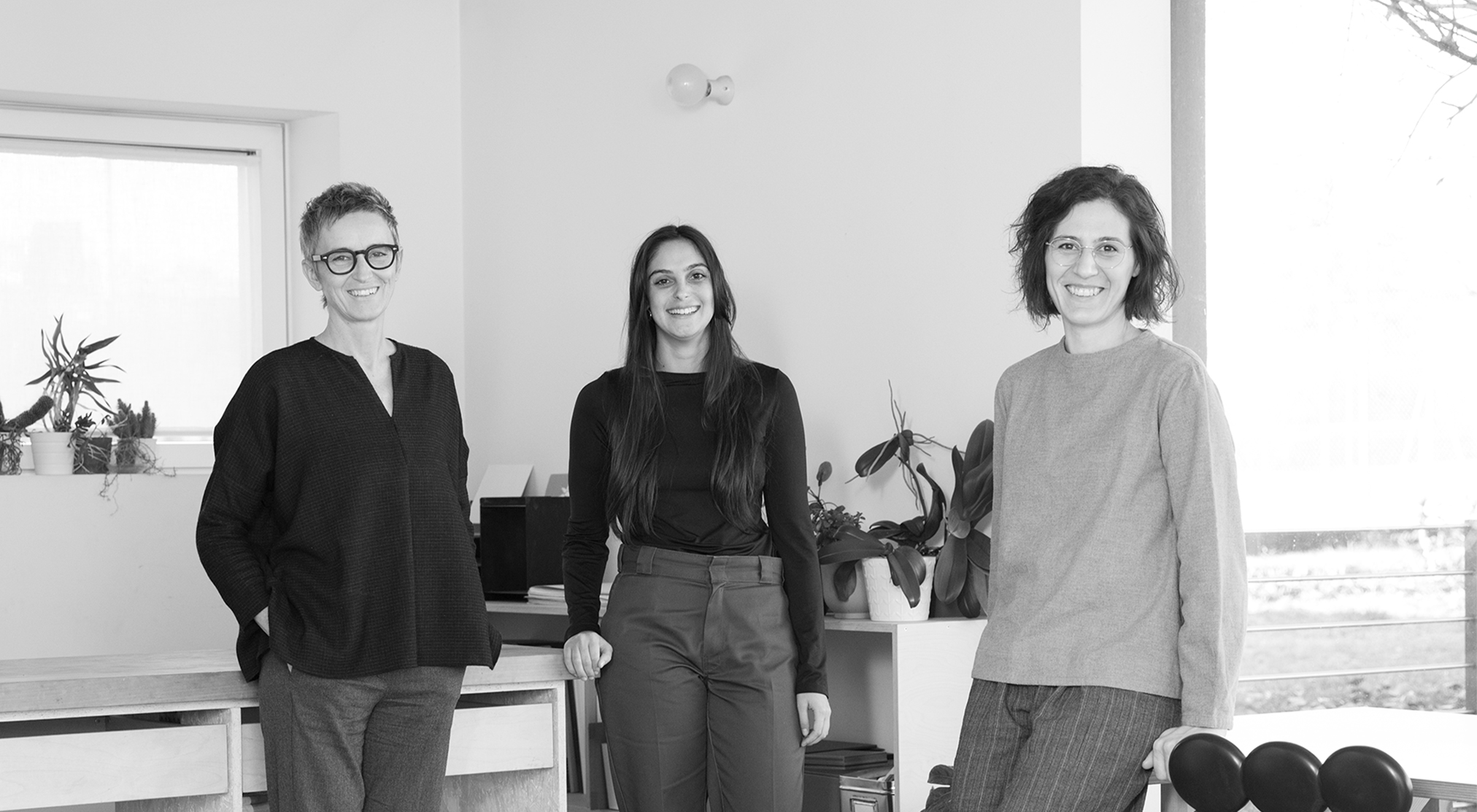
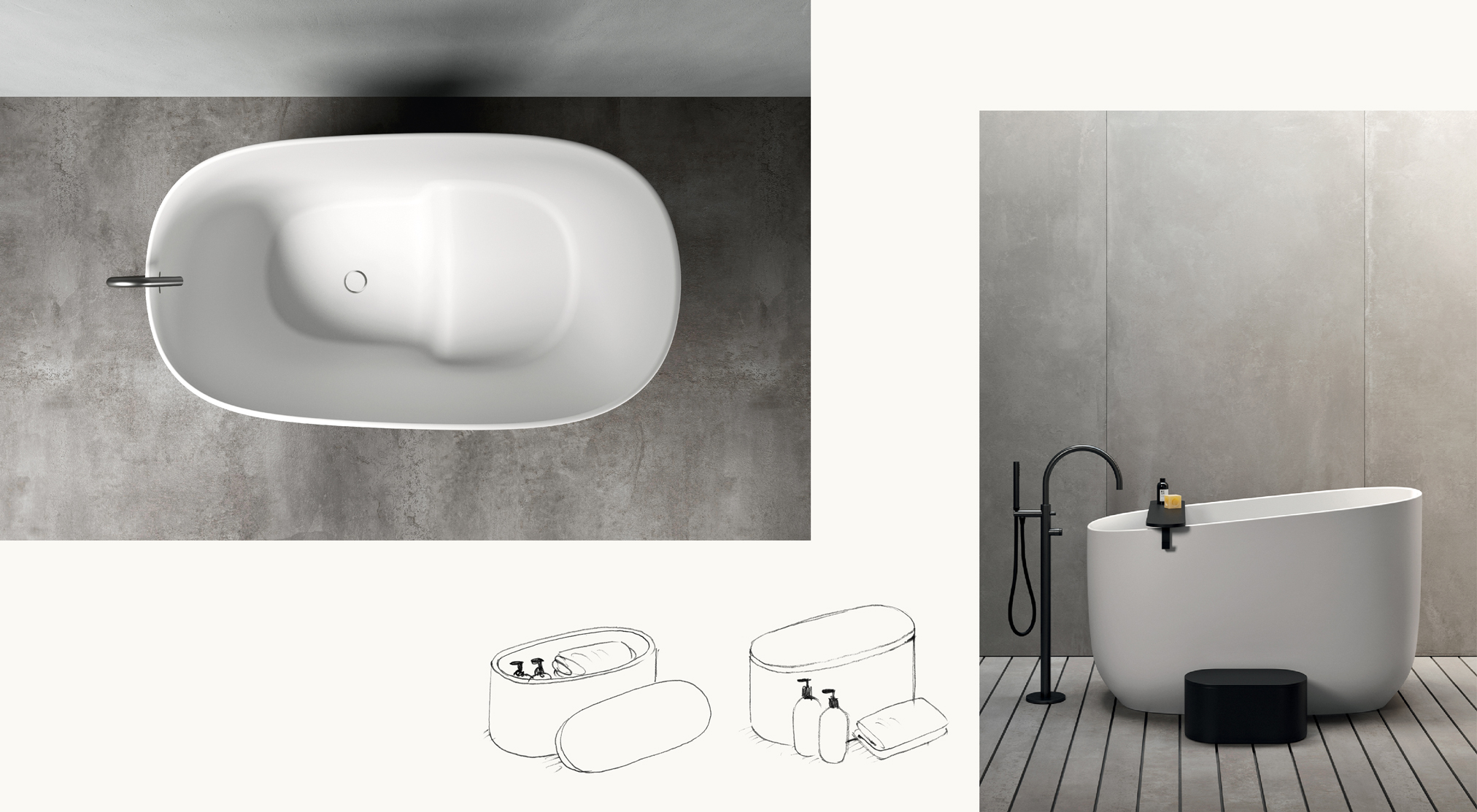
Monica Graffeo, founder of the eponymous studio which also includes designers Eleonora Castellarin and Francesca Veratelli, guides us through the design process that led to the creation of the Dip and Zen immersion tubs.
How did the idea for these tubs come about? Was it a desire to explore new solutions to a practical problem, or something born from a deeper vision?
Both projects, which were developed at different times, stem from the observation of contemporary life and the search for ways to accommodate gestures that are closer to our bodily experience. These, in particular, are products designed to create the conditions for users to indulge in a moment of well-being.
What are the references for these projects?
Immersion is an ancestral need. The body’s transition into water has a positive effect, not only functional but also psychological and emotional. It is a domestic, familial ritual, but also universal across cultures. It speaks of well-being before function, and it fits perfectly with my sensory and psychological vision of the bathroom environment. This is a space with strong psychological implications, which can assist in regeneration, combating stress, anxiety, and many of modern life’s ailments.
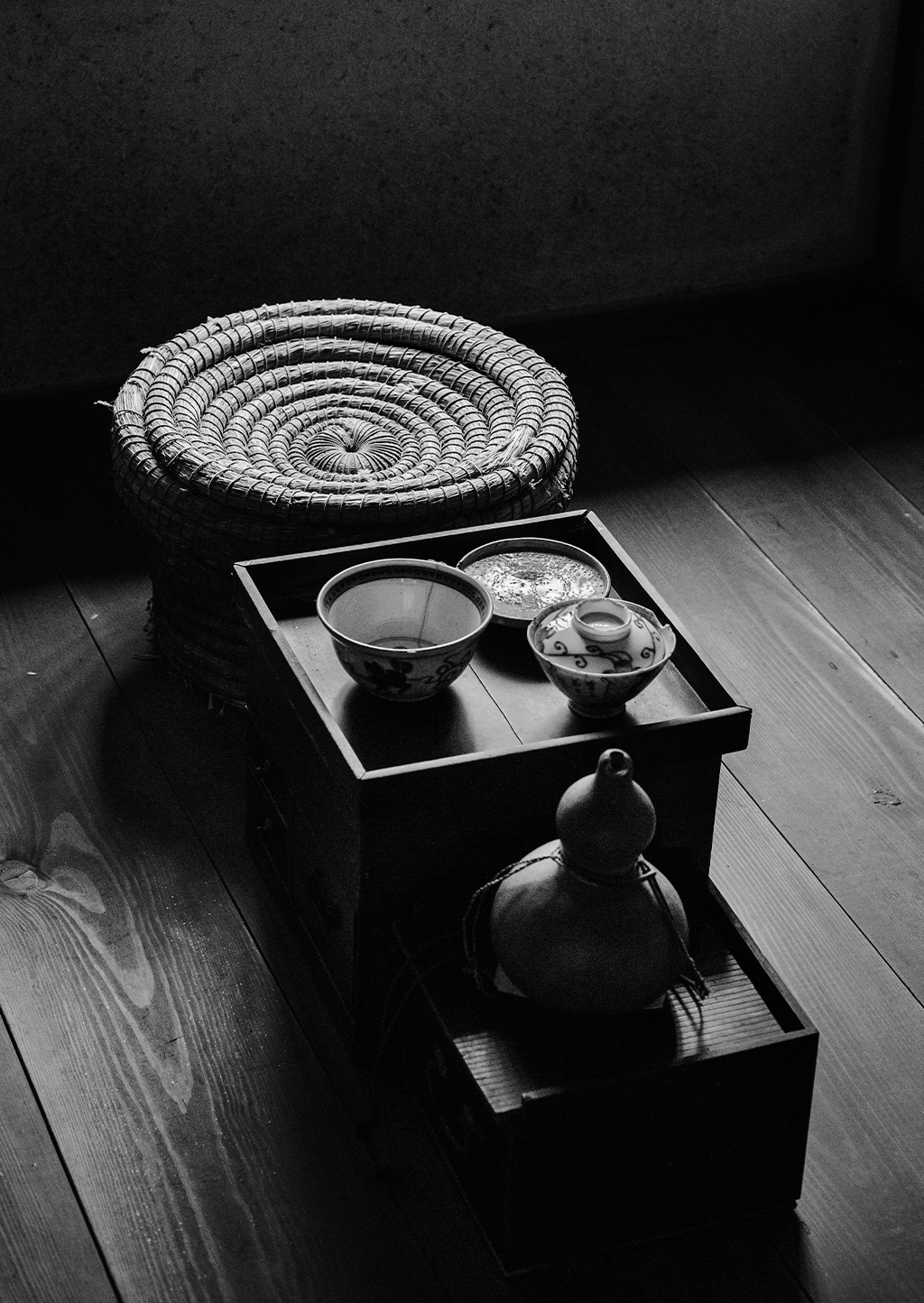
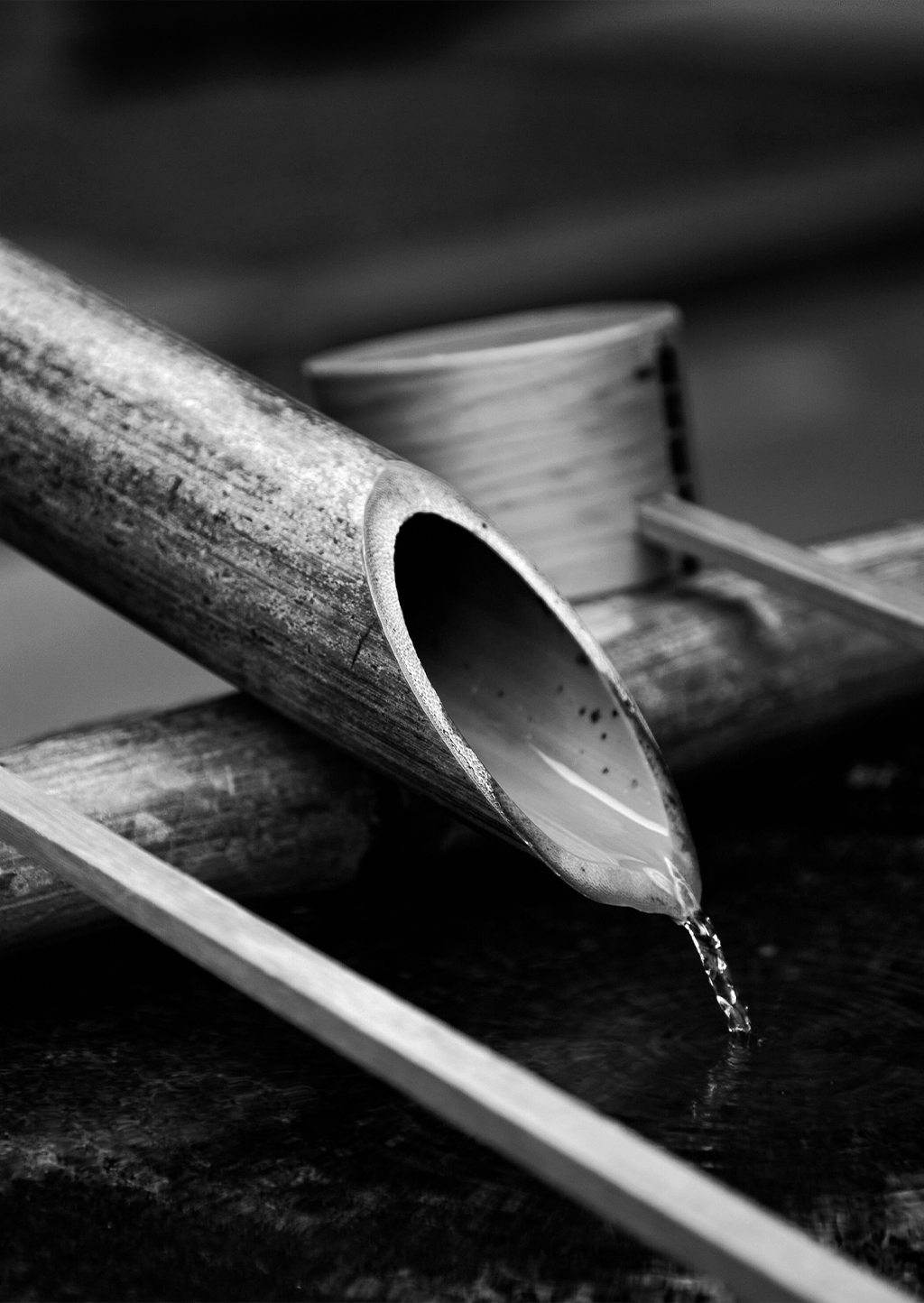
The Ofuro, the ancient Japanese bathing ritual, and the Greco-Roman baths are much more than simple cleansing practices: they are moments of spiritual and physical purification. Dating back to the dawn of humanity, these traditional rituals promote deep relaxation and meditation, creating a balance between body and mind. Symbolizing a connection with oneself and with nature, immersion in water is a sensory experience that has transcended the centuries, maintaining its sacred and therapeutic value..
How does the creative process unfold within the team? How do you collaborate to bring projects like this to life?
There are three of us, and we collaborate through continuous discussion on each project. Exchange is at the core of our working method, and it is precisely the daily dialogue that allows us to broaden our perspectives and supports us in the design process—one of the most fascinating aspects of our work.
How important is ergonomics in design? How did you work to combine form and aesthetics?
Ergonomics is fundamental, but I believe in a "soft" ergonomics—studying shapes that are respectful of the body and its physiology, without being too imposing in the product’s language. I also believe in "psychological" ergonomics, which concerns the messages objects send us and how these can be either positive or negative (for example, when they create feelings of stress or discomfort)..
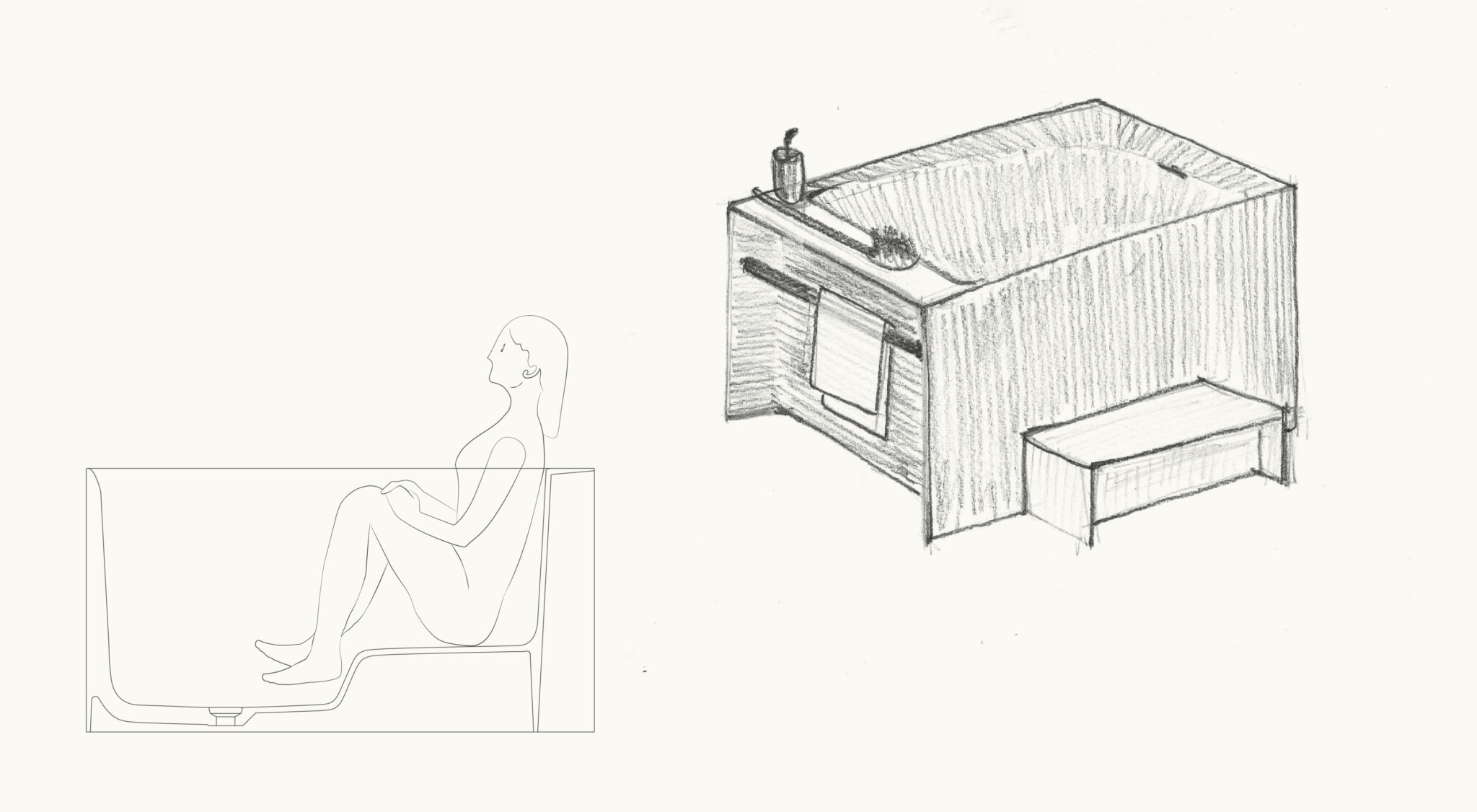
Zen, with its compact size, represents the meeting of tradition and innovation. How do you manage to maintain respect for Eastern rituals while offering a product that meets modern needs?
In this case, we didn’t focus on the issue of respecting rituals. What interested us was adapting and reinterpreting the immersion tub for a contemporary, urban context.
Looking to the future, how do you see the evolution of bathroom design? What directions do you think future innovations in this field will take?
It's a space that I personally believe in a lot, due to its potential "therapeutic" qualities, linked to the presence of water and light. I would like to see a shift in the design of this space in that direction.