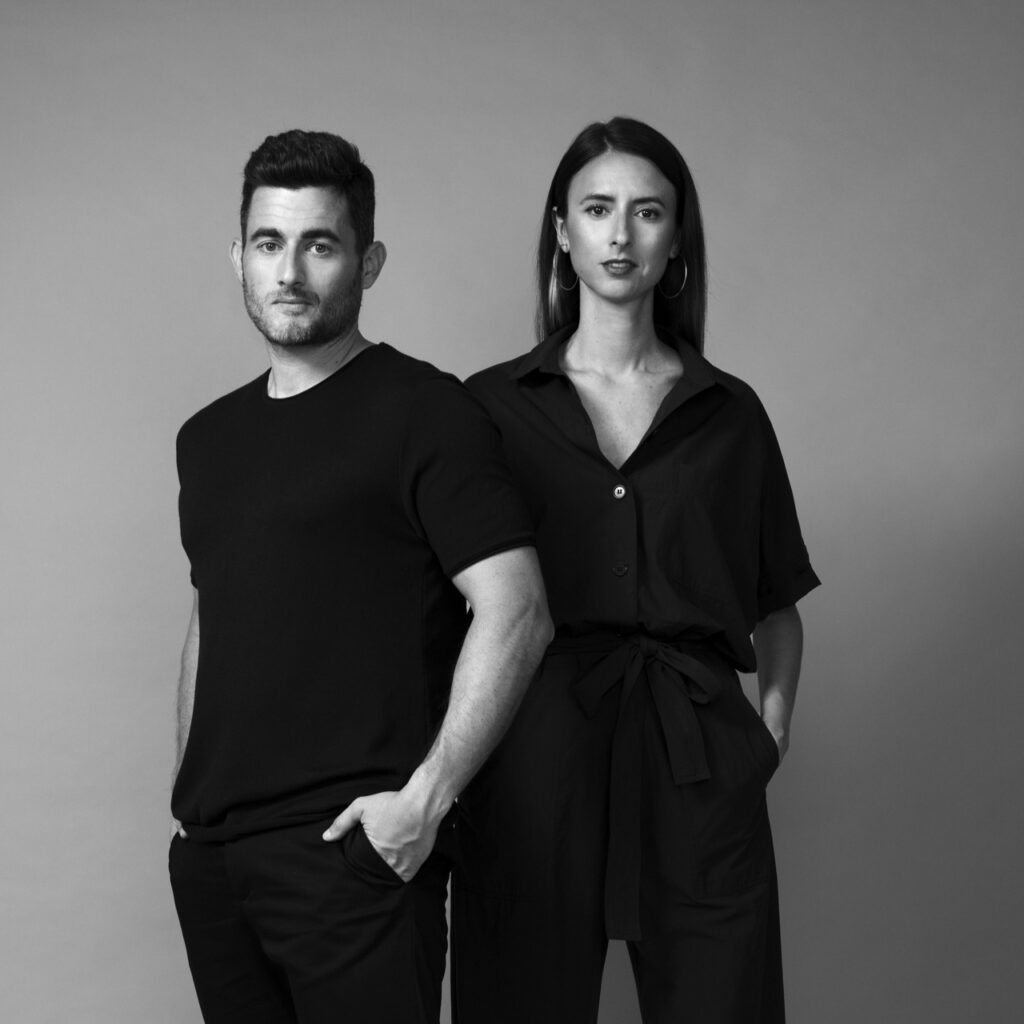
Elegance, minimalism, and purity: interview with Paolo and Anna of Bartoli Design
The passion for design is reflected in every creation: Paolo and Anna Bartoli share how their ideas range from pure architectures to the sculptural forms of a freestanding sink, design accessories, and innovative technical solutions for space division.
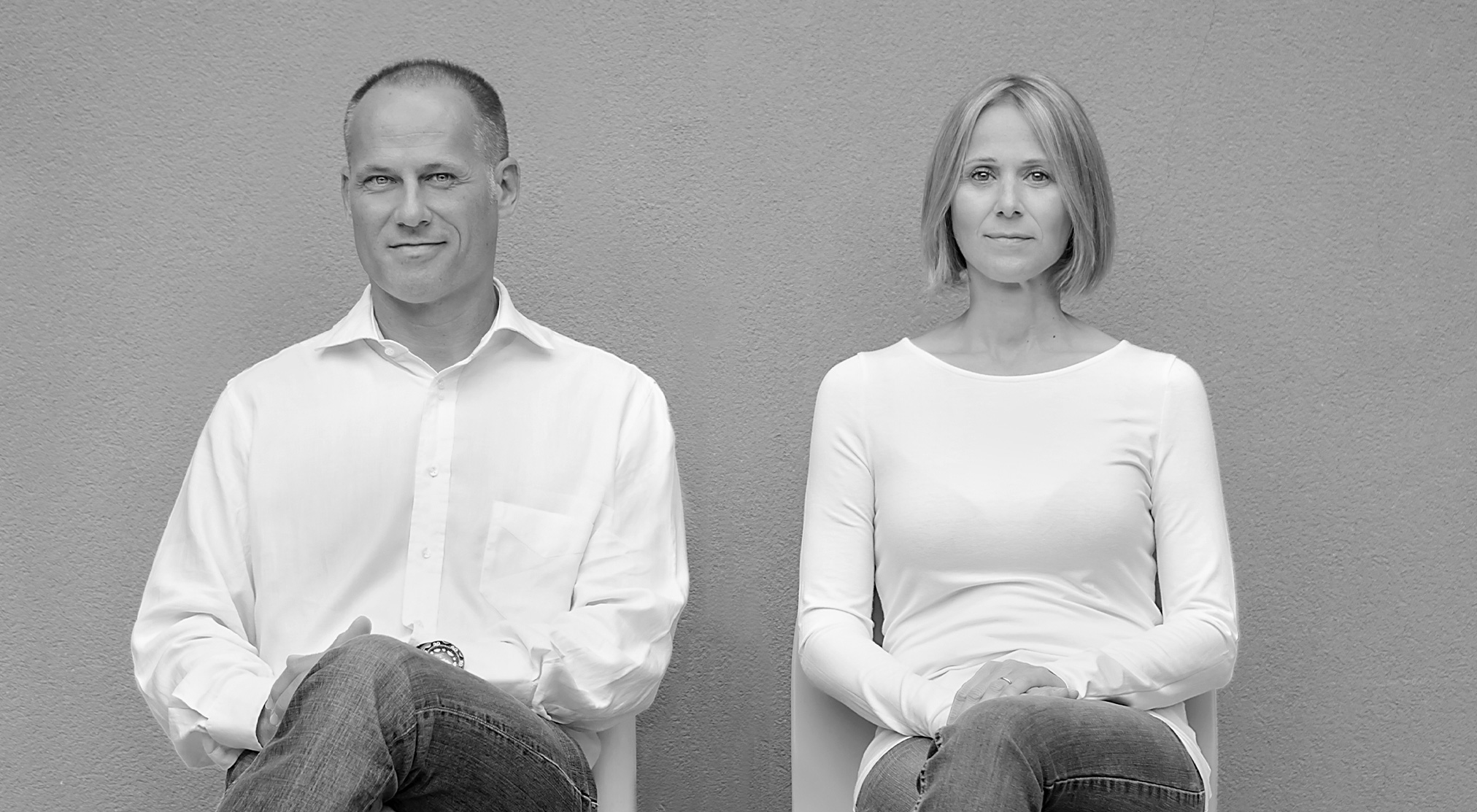
Where does your inspiration come from?
The inspiration for a new product can come from multiple sources. Often, as both architects and designers, we realize while developing an interior design project that the “right product” is missing to complete an architectural space: it is in these situations that the idea for a new product is born.
We are always very attentive to observing how society around us evolves. Therefore, stimuli can come from art, architecture, new materials, attention to sustainability, and the transfer of technology from other sectors.
How does your creative process work?
It is essential, before starting the creative process, to carefully examine the design brief, delving into the critical aspects and clarifying with the client the final goal to be achieved. In this preliminary phase, benchmarking with competing products allows us to evaluate the potential for innovation of the product to be developed.
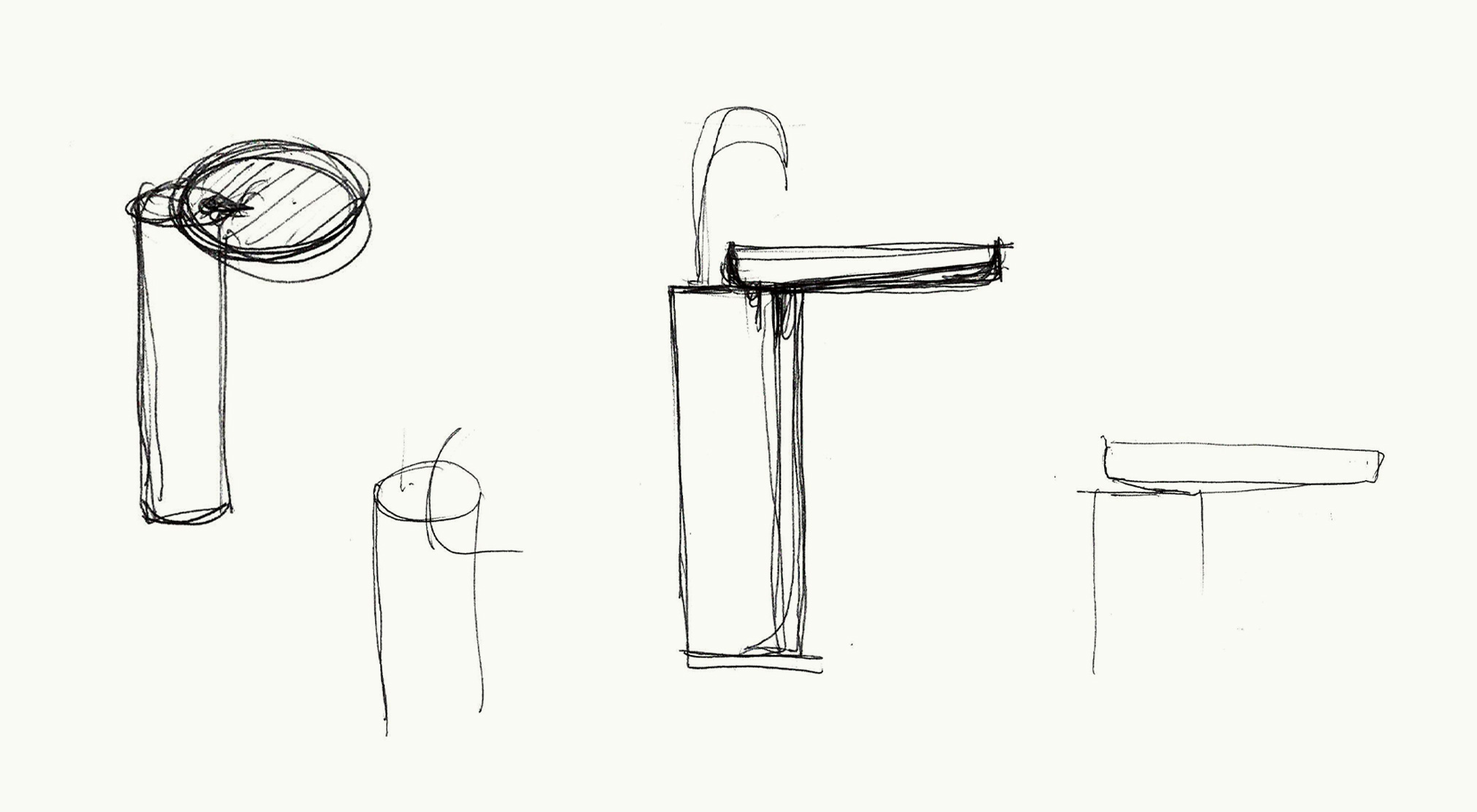
Although it may seem trivial, we begin the creative journey by jotting down some ideas on paper through sketches: paper and pencil remain essential tools, even though we are increasingly adopting the digital equivalent on the iPad. In the first sketches, we can already identify production technologies and materials that will become distinguishing elements of the project.
A collection of iconographic references is useful to contextualize the project and give it greater meaning. In such a crowded market of new products, it is important to clarify to the potential buyer the purpose of the product.
From here, we begin to develop the project through both physical and virtual three-dimensional models. For us, the model is primarily a design tool: it represents a sort of “three-dimensional sketch” essential for the development of the projects. The evolutionary process, which occurs in two dimensions through successive sketches that deepen the concepts, also happens in more detail in the three-dimensional model, through increasingly defined phases.
In the end, the model transforms into a presentation tool to communicate the project to the client: it is much more effective than a simple two-dimensional rendering. However, it is important to note that the creative process is almost never simple or linear; it is rather an iterative process, where the model represents only the first verification of a design hypothesis that, through discussions with the client, leads to new developments.
"We are always very attentive to observing how society around us evolves. Therefore, stimuli can come from art, architecture, new materials, attention to sustainability, and the transfer of technology from other sectors."
Anna and Paolo Bartoli, designers
Has your approach to design and material selection had an impact on your successes, such as the Compasso d’Oro?
Our approach to design is distinguished by a simple language, yet refined and elegant. Developing a product that appears simple is a very complex task, both from a technical and linguistic standpoint. It is crucial to identify the essential elements that define the object.
We design our products through an evolutionary process of subtraction, aiming to eliminate the unnecessary and keeping only the essential elements. This allows us to create a recognizable, unique language that is simple, yet not trivial.
We believe that this approach, which focuses on the substance of the product, is what is recognized in us, even through design awards.
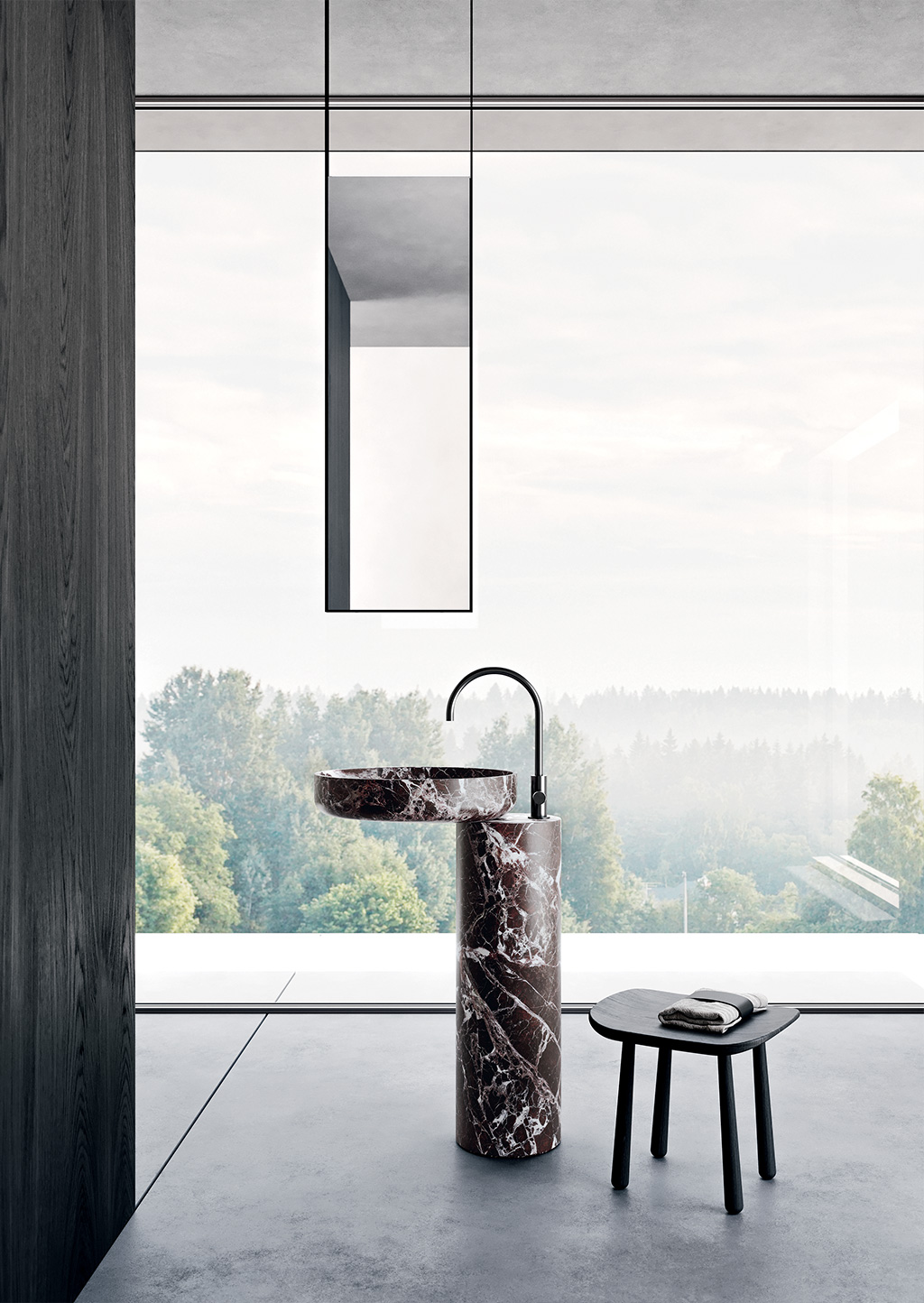
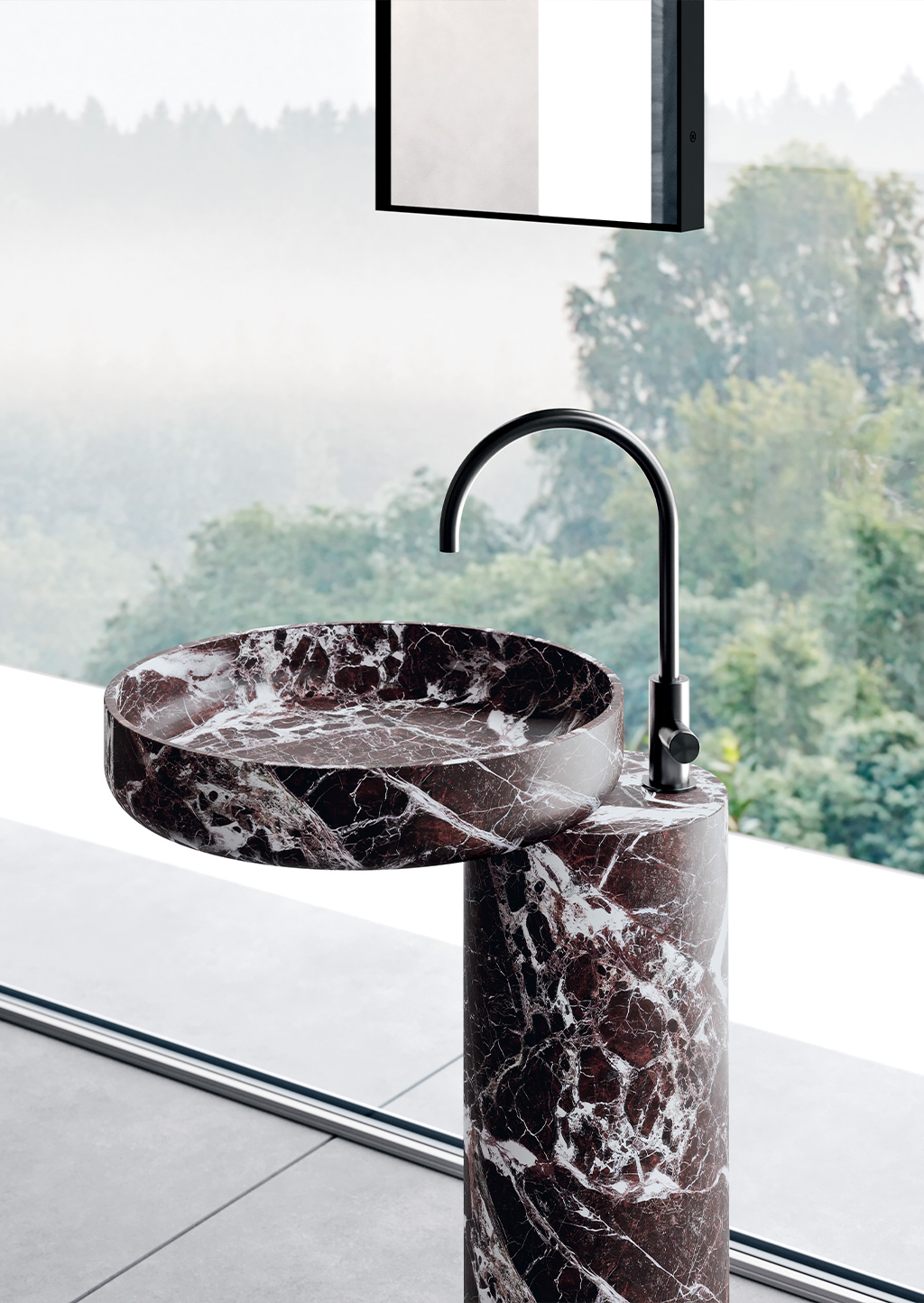
O_O, the freestanding washbasin, has won numerous international awards. How were you able to combine creativity, industrial technologies, and artisanal techniques?
The experience accumulated over the years, combined with in-depth knowledge of materials and technologies, represents one of the keys to this process.
The craftsmen who collaborate with the company are a fundamental resource, as they bring significant know-how and often a decisive contribution. We frequently emphasize that the success of a project comes from the synergy between the designer, the company, and its suppliers; just like in a marriage, every product has a “father” and a “mother.” It is therefore essential to be open to listening and engaging with clients and suppliers, who offer us valuable solutions. At the same time, we strive to make the most of technologies and materials, experimenting with solutions that initially may seem “impossible.”
Finally, our ability to approach every new project with a fresh perspective and a bit of thinking outside the box allows us to keep our creative contribution alive and stimulating.
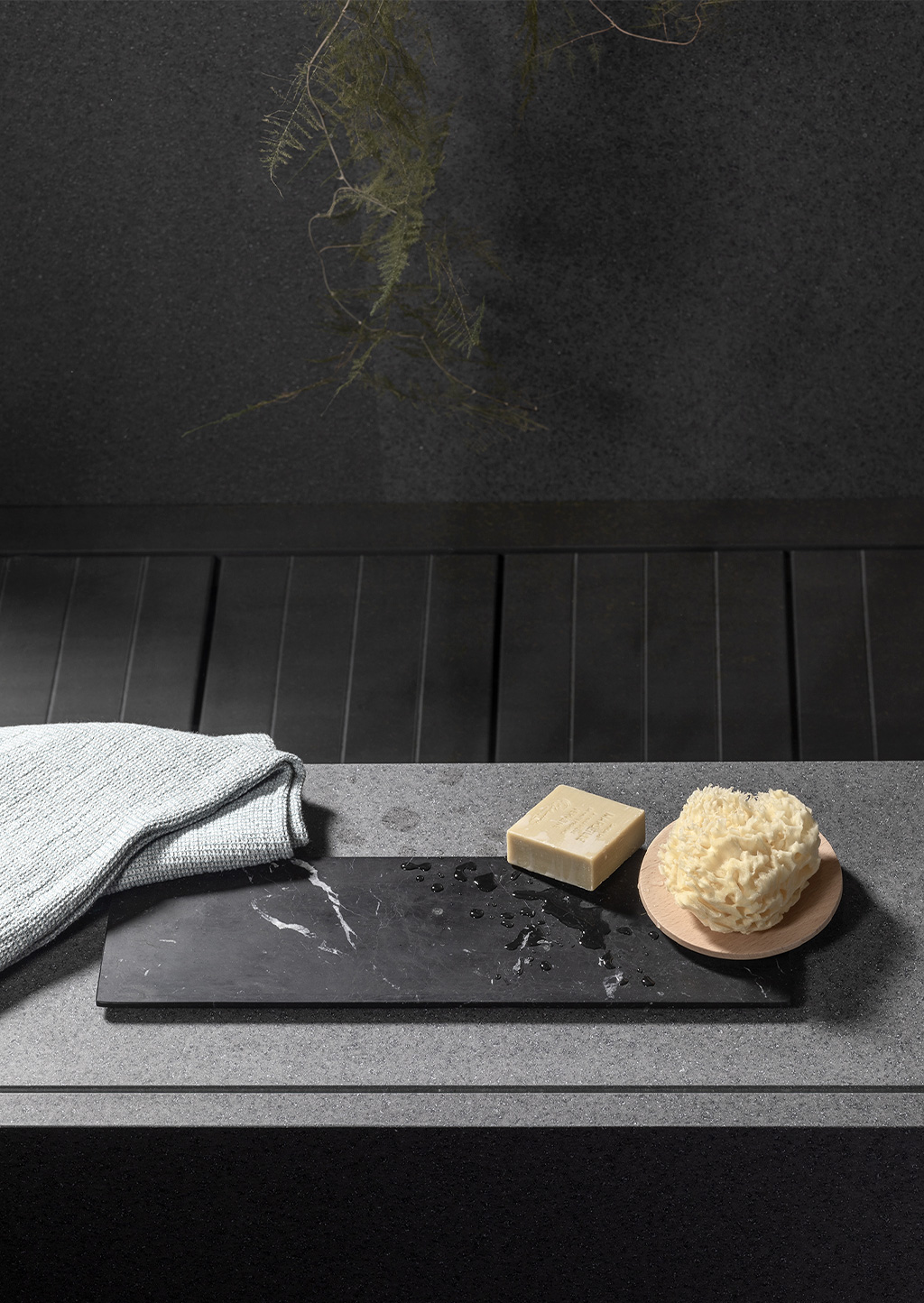
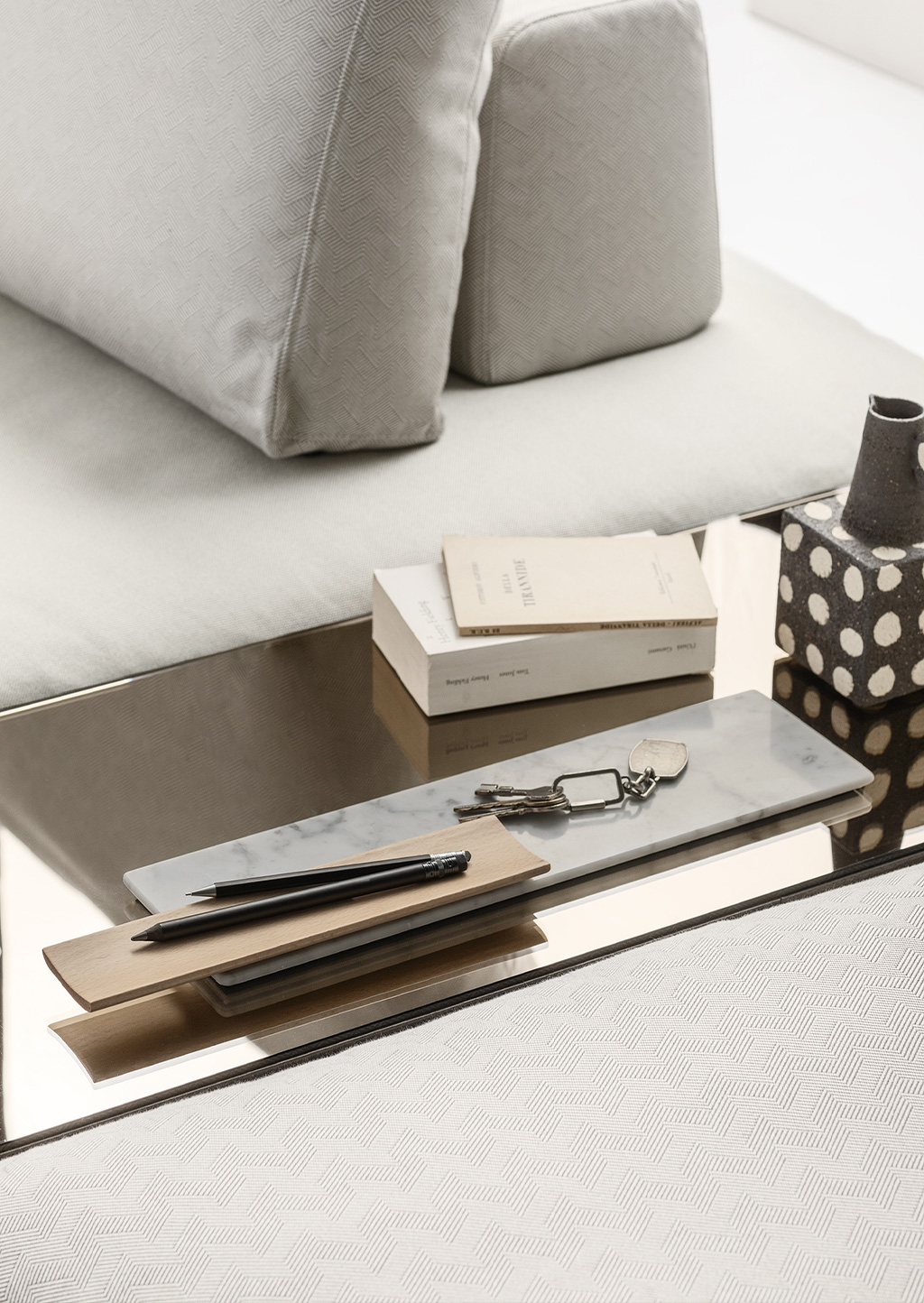
The magnetic system of Ply is an interesting and innovative idea. How did this challenge come about?
Ply was born as a “graphic” project, almost two-dimensional. The initial idea was to overlap different layers, to layer and play with primordial geometric shapes. By combining these shapes with special materials such as marble, Corian, wood, and lacquers, we created interesting contrasts that enrich the “graphic” play of the various levels. Finally, the idea of using magnets to combine the different elements together was the choice that allowed us to maintain simplicity in both the use and maintenance of the product.
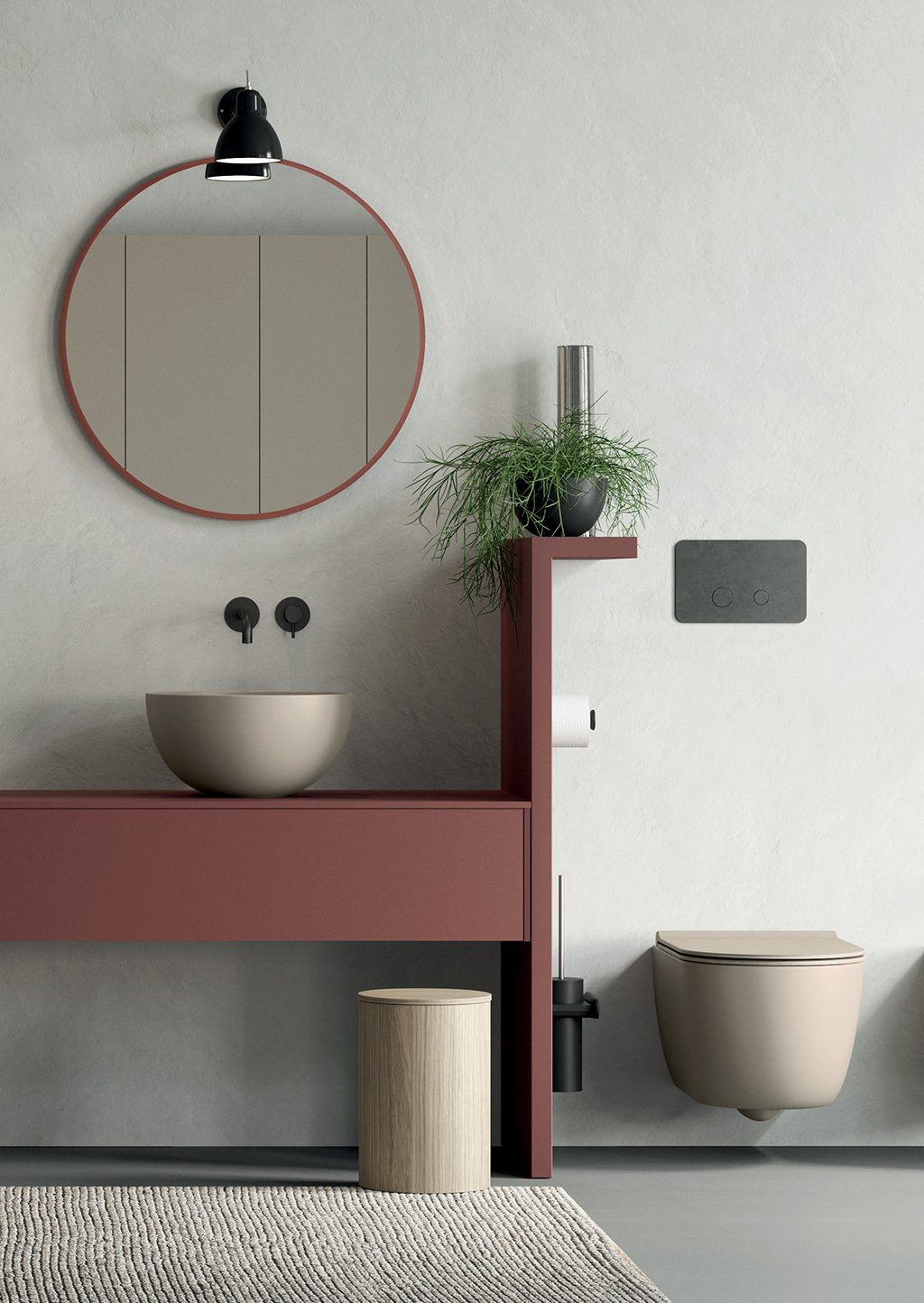
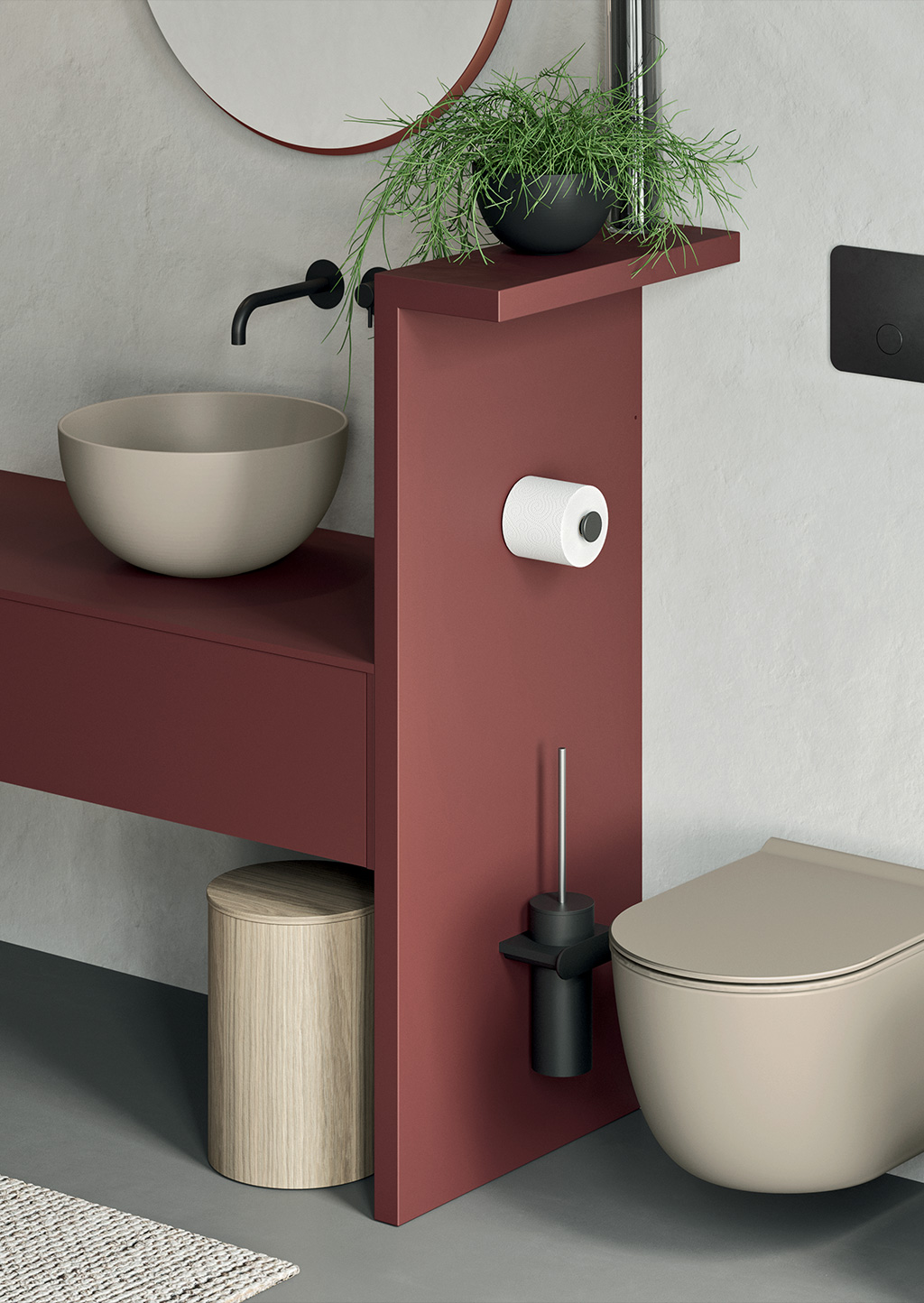
How is the creative process structured within the team, and how did you approach the design of solutions like ODA, which functionally separates the service area from the sink?
The ODA project was born from a direct experience in designing a private bathroom, where there was a need to architecturally define the space by physically separating the sink from the toilet. From this necessity, the idea evolved into a systemic approach, making it applicable to many other configurations to optimize the definition of architectural spaces, particularly in compact contexts.
Your collaboration with Rexa has now become well-established. How did it start, and how has it evolved over time?
We approached Rexa because we recognized in the company a clear design approach aimed at meeting the diverse needs of architects. Rexa offers a kind of catalog of highly customizable products, a particularly interesting feature in the contract sector. This approach stimulated us, perhaps also thanks to our architectural background, allowing us to develop products like ODA.
Looking to the future, how do you see the evolution of bathroom design? What directions will the next innovations take?
We believe that cross-cutting themes such as sustainability will gain increasing importance, requiring particular attention to the conscious use of materials and production technologies. In recent years, the bathroom has undergone a fascinating evolution: from a simple service space, it is transforming into a place dedicated to relaxation and well-being. This metamorphosis is set to continue; while it initially focused mainly on technical and formal aspects, in the future it will increasingly lean toward sensory and intangible dimensions. Therefore, we don't believe much in the integration of home automation and smart design in the bathroom environment. This space, perhaps due to its connection with the more intimate dimension of the person, appears to us as the “last refuge,” alongside the bedroom, where privacy and relaxation must be preserved.
In addition to designing objects and furniture, your studio also deals with architecture and interior design. What room do you prefer to furnish?
The architectural space that seems most interesting to us is undoubtedly the living room, conceived as a place for social interaction and family coexistence. Our homes tend to be smaller and characterized by reduced and multipolar family units. This reduction in space leads to a progressive de-functionalization of environments, creating opportunities for new and interesting relationships: therefore, multifunctional spaces are born that respond to contemporary needs, promoting more dynamic and versatile interactions.
The interview confirms the value that Paolo and Anna Bartoli place on design that, through research, innovation, and attention to detail, manages to remain both timeless and contemporary.